
Exploring the Role of Digital Experiences in Shaping Customer Expectations
In today’s connected world, customer expectations are not just changing – they are accelerating. What once felt like innovation quickly becomes standard. A seamless online journey, personalised content, instant support, and cohesive messaging across platforms are no longer viewed as exceptional. They are assumed. Behind these rising expectations lies the increasing sophistication of digital experiences.
Digital transformation is not new. But the way businesses use digital tools to influence perception, build trust, and retain customers is evolving rapidly. Organisations are beginning to realise that the customer journey is no longer linear. Instead, it is a complex web of touchpoints, many of which are driven or supported by digital experiences.
The Shift from Transactions to Experiences
Customers do not just want to buy products. They want to feel something while doing so. Whether that emotion is confidence, excitement, ease, or assurance depends on the brand and the context. Digital experiences are key to delivering that emotion in real time.
Think about the last time you ordered something online. If the site was intuitive, the checkout process was smooth, and confirmation was immediate, you likely walked away satisfied. Add features like progress tracking, personalised recommendations, or loyalty rewards, and your experience becomes memorable. These touchpoints shape not only satisfaction but long-term loyalty.
Read More: Sandy Homes Are Getting Smarter About Surface Choices
Businesses are recognising that these moments must be intentional. Investing in digital interfaces that are easy to use, visually appealing, and contextually aware is no longer optional. It is a baseline expectation.
The Omnichannel Imperative
Customers do not differentiate between physical and digital interactions. They expect consistency, whether they are walking into a store, browsing a website, calling a support line, or engaging through social media. This has created a strong imperative for businesses to deliver an omnichannel experience.
Visual consistency across these channels matters. Branding, tone of voice, and user experience must align. But so does the underlying functionality. A customer should be able to start a conversation on a website chatbot, continue it through email, and resolve it in person, without having to repeat themselves.
Digital experiences enable this level of integration. They allow companies to centralise customer data, understand behaviour patterns, and personalise interactions across every channel.
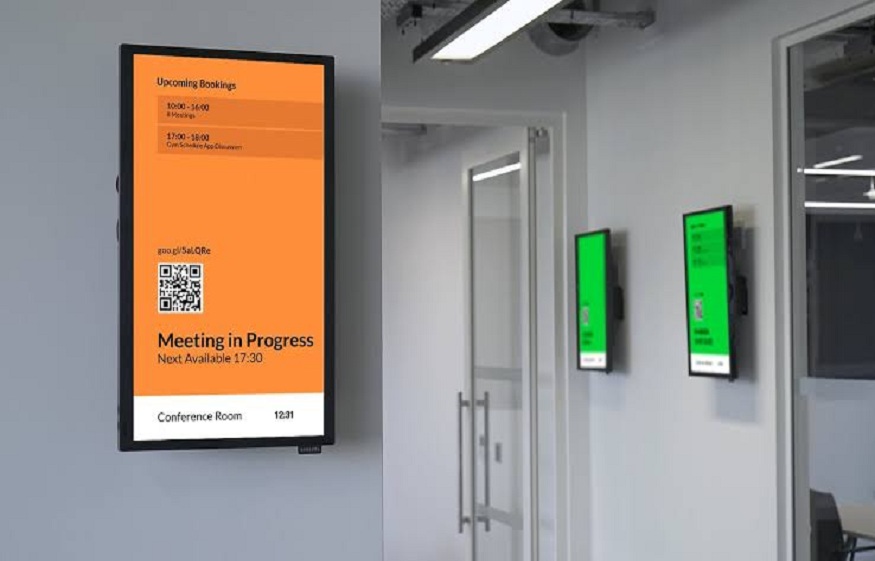
This is where technologies like digital signage come into play in the physical environment. Digital signage bridges the gap between online and offline, offering real-time content, location-based messaging, and the ability to adapt to customer flows. It allows brands to maintain digital responsiveness in physical spaces, something that is increasingly important as the line between the two continues to blur.
The Rise of Expectation Culture
Customers today are influenced by the best experience they have had anywhere, not just within a specific industry. If a ride-hailing app offers real-time tracking and seamless billing, they may begin to expect the same from their healthcare provider or local council. This is the phenomenon of expectation transfer, and it is reshaping every sector.
Businesses must monitor trends beyond their immediate competitors. Understanding how digital experiences in banking, travel, entertainment, and e-commerce are evolving can provide valuable insight into what customers may soon expect elsewhere.
At the same time, there is a growing demand for transparency and control. People want to know how their data is used. They want to be able to customise their experiences and choose when and how they interact with a brand. This makes ethical design and clear communication critical components of any digital strategy.
Data as a Foundation, Not a Shortcut
Digital experiences are often built on data. Analytics inform everything from which content to display to when to reach out with a special offer. But data should be used to enhance the customer experience, not to overwhelm or manipulate.
When used responsibly, data allows businesses to anticipate needs, reduce friction, and deliver value at the right moment. For example, predictive search functions, saved preferences, and intelligent product recommendations all improve the user journey without being intrusive.
However, poorly used data can quickly damage trust. Irrelevant targeting, repetitive messages, or overly aggressive follow-ups can make customers feel like they are being watched rather than understood. The key is to strike a balance between personalisation and privacy.
Digital Experiences as Brand Storytelling
Customers want more than convenience. They want meaning. Brands that use digital experiences to tell compelling stories, share values, and create a sense of community can build deeper relationships.
This storytelling can happen in many forms – through a website’s design, the voice of a newsletter, an interactive app, or the digital screens within a retail location. Each platform is an opportunity to reinforce what the brand stands for and why it matters.
Visual content plays a particularly important role. Motion graphics, interactive media, and real-time data visualisation can all elevate a brand’s message. They can also make complex ideas easier to understand and more engaging to explore.
As physical spaces become more digitised, businesses are incorporating storytelling into the built environment. Visual displays that showcase social impact efforts, customer testimonials, or product origins turn passive waiting areas into moments of connection and brand reinforcement.
Adaptation and Agility as Competitive Advantages
The digital landscape is constantly shifting. New platforms emerge, customer preferences change, and technologies evolve. To meet rising expectations, businesses must remain agile.
This means regularly reviewing the digital customer journey, experimenting with new formats, and soliciting feedback. It also means having the flexibility to update content, adjust messaging, and scale up or down based on real-time conditions.
Cloud-based systems, content management platforms, and responsive design frameworks all support this agility. So does a culture of continuous improvement – one that treats customer feedback not as criticism but as insight.
Looking Forward
Digital experiences are no longer just a support function. They are at the core of how brands engage, serve, and retain their customers. As expectations continue to rise, businesses must think strategically about how to meet them without sacrificing authenticity or trust.
The future belongs to organisations that can blend creativity with technology, data with empathy, and innovation with purpose. It belongs to those who understand that every digital interaction is an opportunity to shape perception, deliver value, and build loyalty.
Read More: Complete Guide to B&D Garage Door Sizes
Customer expectations will keep evolving. The challenge is not just to keep up, but to lead the way – with experiences that feel less like transactions and more like meaningful connections.
For wider commercial, hospitality, or public-facing projects, small supporting details can make the finished space feel more complete. Composite decking can provide a durable, low-maintenance surface for terraces, entrances, outdoor seating areas, and customer-facing spaces; while hand dryers can support cleaner, more efficient washroom facilities; while traditional signage can add character, direction, and brand presence.