
Why Does My Kitchen Sink Keep Getting Blocked in a Newly Renovated Property?
Renovating a kitchen is meant to improve both function and comfort. New cabinetry, updated appliances and modern fittings should deliver smooth day-to-day use. For many homeowners, however, frustration begins soon after completion when the kitchen sink repeatedly blocks. A newly renovated space should not be experiencing drainage issues, yet this situation is more common than expected.
Recurring blockages in a new kitchen usually point to underlying plumbing or structural factors rather than everyday misuse. Identifying the real cause early can prevent long-term damage and ongoing inconvenience.
Why Blockages Appear After Renovation
When a renovation takes place, plumbing is often modified to suit a new layout. Sinks may be relocated, additional appliances installed, or old pipes connected to new fittings. Even minor changes can affect how wastewater flows through the system.
If the renovation focused heavily on aesthetics but overlooked drainage design, problems can surface quickly. Unlike visible finishes, plumbing faults remain hidden until symptoms appear. Slow draining water, gurgling sounds or frequent clogs are warning signs that something in the system is not functioning as intended.
Common Renovation Related Causes
Several installation issues commonly contribute to recurring sink blockages in newly renovated kitchens.
Incorrect Pipe Gradient
Drainage pipes must be installed at a specific angle to allow gravity to carry wastewater away efficiently. If the gradient is too flat, water moves slowly and solids settle inside the pipe. If the angle is too steep, liquids flow away too quickly while heavier debris remains behind.
During renovations, especially when sinks are repositioned, achieving the correct slope is essential. Even a small miscalculation can cause ongoing buildup that results in frequent clogs.
Connection to Older Pipework
In many homes, particularly older properties, new kitchen plumbing is connected to existing underground pipes. While the visible section of the system may be brand new, the downstream pipework could be decades old.
Older pipes may already contain partial blockages, scale buildup or structural weaknesses. When the renovated kitchen begins operating at full capacity, these hidden issues become more noticeable. The combination of new fittings and ageing infrastructure can trigger repeated drainage problems.
Leftover Construction Debris
Renovation sites generate dust, plaster, tile fragments and other debris. If tradespeople do not adequately protect open pipes during construction, small particles can enter the drainage system.
Over time, this debris collects in pipe bends and traps, forming stubborn obstructions. Even materials like grout or adhesive residue can harden inside pipes and restrict water flow.
Inadequate Venting
Drainage systems require proper venting to regulate air pressure. If a renovation alters the plumbing layout without correctly adjusting vents, negative pressure may develop in the pipes.
Poor venting can slow water flow and cause gurgling noises. In some cases, it also contributes to recurring blockages by disrupting normal drainage patterns.
Hidden Structural or Moisture Issues
Blockages are not always caused by pipe installation errors alone. Structural and moisture-related problems can also play a role.
Poor sealing around sinks or benchtops may allow water to seep into cabinetry or wall cavities. Over time, persistent dampness can weaken surrounding materials and create concealed leaks.
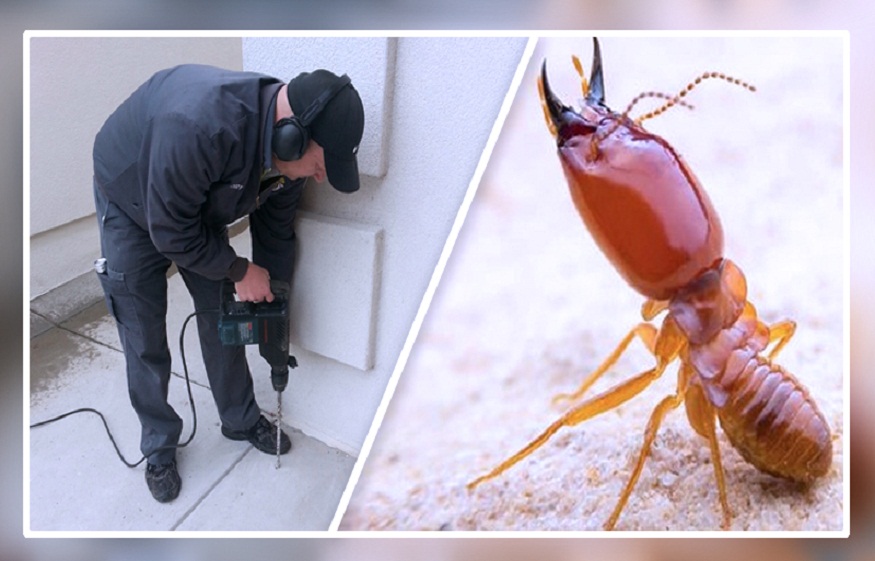
Moisture problems are particularly concerning in timber-framed homes. Damp conditions encourage decay and may attract pests. If ongoing water exposure is left unresolved, homeowners may eventually require Termite Treatment. Engaging Professional termite treatment services becomes necessary when timber elements are compromised by prolonged moisture.
Addressing plumbing issues promptly reduces the risk of secondary structural damage and pest concerns.
Why Quick Fixes Rarely Solve the Problem
When a new sink blocks, many homeowners attempt temporary solutions such as chemical drain cleaners or plunging. While these methods may provide short-term relief, they rarely address the root cause.
If the issue relates to incorrect pipe gradient, damaged joints or concealed debris, the blockage will likely return. Repeated chemical use can also damage pipes over time, particularly older metal sections.
Persistent problems require a thorough inspection rather than repeated surface-level clearing.
The Role of Professional Inspection
A detailed plumbing assessment can identify the exact reason for recurring blockages. This often involves using CCTV drain cameras to inspect internal pipe conditions and verify proper installation.
Engaging a Licensed plumber Essendon ensures the system is evaluated according to Australian plumbing standards. An experienced professional can check pipe angles, confirm secure connections and assess how new plumbing integrates with existing infrastructure.
If faults are identified, corrective work may involve adjusting pipe alignment, replacing damaged sections or clearing construction residue. In some cases, minor modifications early on can prevent extensive repairs later.
Protecting Your Renovation Investment
A kitchen renovation represents a significant financial commitment. Ongoing drainage issues can undermine that investment by causing water damage, unpleasant odours and structural concerns.
Ensuring the plumbing system operates efficiently protects cabinetry, flooring and adjacent rooms. Proper drainage also reduces the likelihood of damp-related pest activity.
Homeowners who act quickly when symptoms appear typically avoid larger repair costs in the future. Waiting until a full blockage or overflow occurs increases both expense and disruption.
Conclusion: Address the Cause, Not Just the Symptom
A newly renovated kitchen should provide convenience, not constant frustration. If your sink keeps blocking shortly after completion, the issue likely lies within the plumbing layout or connection to older pipework. Incorrect gradients, construction debris and hidden moisture problems are common contributors.
Temporary fixes rarely solve recurring drainage issues. A professional plumbing assessment identifies installation flaws before they escalate into structural damage or pest concerns.
If your new kitchen sink continues to clog, arrange a qualified inspection without delay. A thorough evaluation protects your renovation investment, restores reliable drainage and prevents repeated inconvenience in the future.